

This week marks four years since New Forest Dispatch published its first article. Thank you to everyone who has read, shared, subscribed or supported the publication along the way!
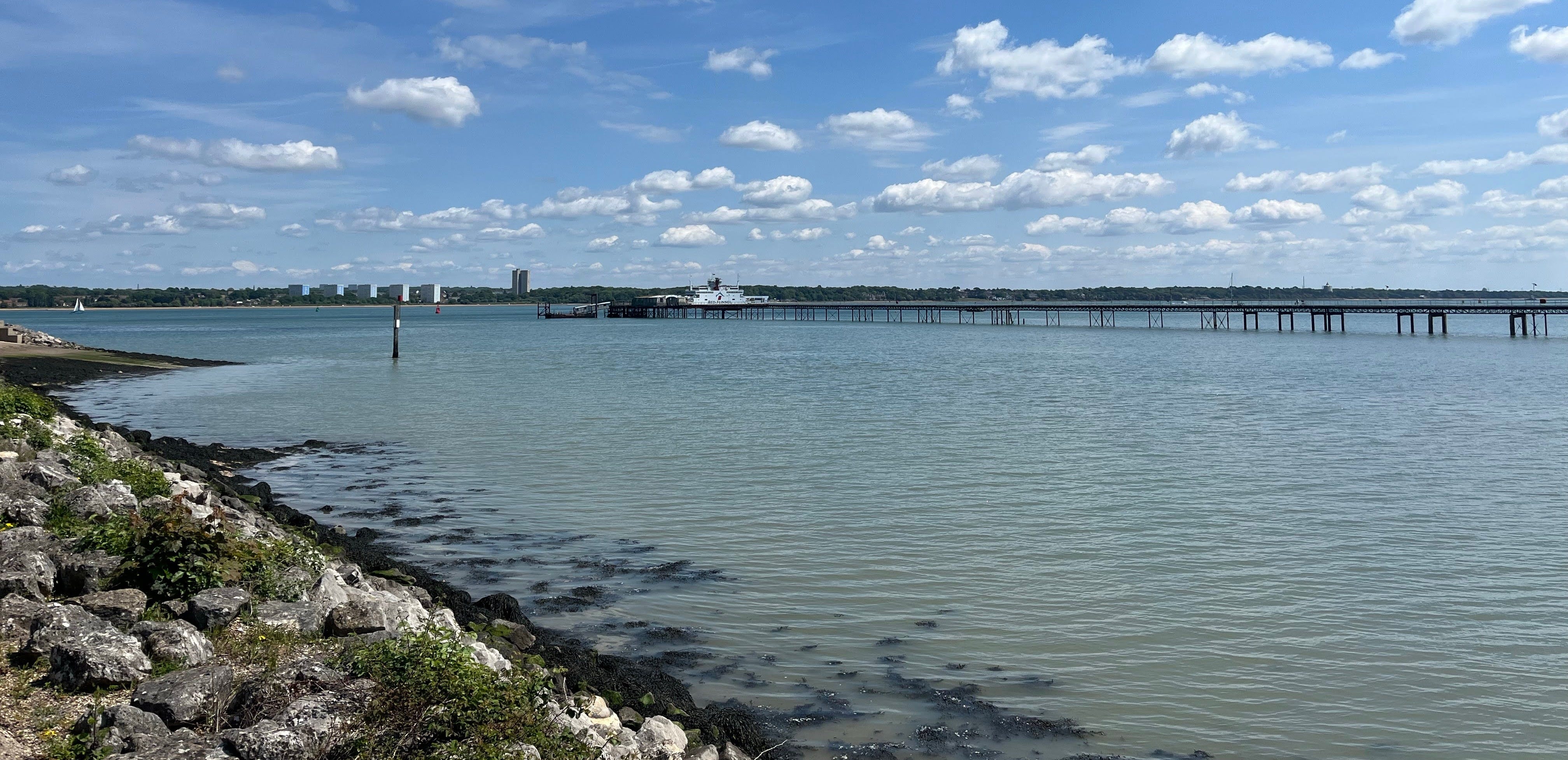
In June, Hythe Pier Company announced it had acquired a number of assets associated with the former Hythe and Southampton Ferry Company following its liquidation.
But the ferry service isn’t the only transport challenge facing the Waterside.
From bus services and connections to Southampton to long-running proposals to reopen the Waterside rail line, residents continue to raise concerns about how people travel to, from and around the area.
So, what does the future of transport in the Waterside actually look like?
Is Hythe Ferry “one step closer to returning”?
Speaking to New Forest Dispatch, Hythe Pier owner Ashleigh Mutimear-MacMillan confirmed the Hythe Ferry assets acquired included intellectual property, goodwill of the business, the pontoon and boat.
She stressed that the deal did not involve taking over the former ferry business, employing its staff or immediately restarting services.
“We’ve still got the same problems as the Hythe Ferry Company had,” she said. “The challenges haven’t gone away - if anything they’re worse because it’s been two years.”
Mutimear-MacMillan said securing the pontoon was a key motivation behind the purchase.
“The pier needed its only landing site back, so I always wanted the pontoon to return to the pier,” she said. “The other assets were because I wanted to protect the lifeline and I wanted to protect the route.”
The pontoon is currently unusable and requires significant work before any future passenger service could operate. Mutimear-MacMillan said the purchase does not mean the immediate return of the historic Hythe Ferry and that she does not envisage Hythe Pier Company operating a ferry service itself.
Instead, she said the aim was to bring the key assets under a single owner and preserve options for the future.
“My job now is to navigate a way forward for both the pier and what it looks like at bringing a ferry service back,” she said.
However, she suggested any future service may look different from what local residents remember.
While the acquisition included one vessel, she said the boat would require significant investment and questioned whether returning it to service would be practical.
“The ferry I’ve bought needs so much money throwing at it that it doesn’t make sense to have that boat running anymore,” she said.
Instead, she said future options could include alternative types of passenger service, including a water taxi service or other vessels capable of using the route.
Asked whether the acquisition brings the route any closer to returning, Mutimear-MacMillan replied, “The service is one step closer to returning.”
Whatever happened to the Waterside rail line?
Following a government initiative in 2020, named ‘Restoring your railway’, £500m was promised to enable opportunities to reopen former railway lines and add new stations.
In 2021, the Department for Transport officially allocated £7m from the railway initiative fund to Network Rail to advance the development and business case of the Waterside Line.
The line carried passengers between Totton and Fawley until 1966 and continued to transport crude oil to Fawley refinery until 2016.
The scheme would have reintroduced passenger services on the Waterside Line between Southampton, Marchwood and Hythe. Network Rail said it would improve transport links and support economic growth in the area.
A public consultation for the railway to reopen attracted 1,508 responses in 2022.
Of those responding, 1,430 were asked additional questions with 84% agreeing the proposals offered an improved public transport offering to the Waterside and 80% said they would use a train service in the Waterside.
Despite strong public support, the scheme ultimately failed to progress.
In July 2024, the new Labour government scrapped the railway initiative originally launched by Conservatives.
Ministers confirmed more than £349m had already been spent nationally on the programme before it was ended.
According to analysis by the industry publication New Civil Engineer, approximately £6.49m was spent on the Waterside Line proposal before the project was cancelled.
The railway plans were pulled just a month before Hythe Ferry suspended services in August 2024.
As a result, the Waterside lost both an existing public transport link and a potential future one within a matter of weeks.
Why transport remains an issue
Concerns about transport also emerged in New Forest Dispatch’s recent survey of local residents.
Transport and roads were mentioned by 20% of respondents, making them one of the most frequently raised issues.
Concerns ranged from public transport links and access to Southampton to road congestion, infrastructure and safety.
While the Hythe Ferry and Waterside rail line often attract attention, the responses suggest broader concerns about connectivity across the area remain unresolved.
Looking to the future
For now, the future of the Hythe to Southampton crossing remains uncertain.
While Hythe Pier Company has secured key assets associated with the former ferry operation, significant challenges remain before any passenger service can return. Any future service may also look very different from the historic ferry many residents remember.
The Waterside rail proposal appears even further away. Despite attracting strong public support, the scheme was cancelled as part of the Government’s decision to end the ‘Restoring Your Railway’ programme.
Yet both projects point to a wider issue.
Concerns about transport were among the most frequently raised by residents responding to a New Forest Dispatch survey, suggesting connectivity remains a challenge for many people living in the area.
While buses continue to provide public transport links across the Waterside, debates around the ferry and railway suggest questions about how people travel to, from and around the area are far from settled.
Individual projects may come and go, but transport remains a recurring concern for many residents - and one that appears far from resolved.
